
A barber accessories checklist should support the actual service menu rather than fill the counter with gadgets. The most useful accessories protect tools, shorten repeated movements and make clean and used items easy to distinguish.
Barber accessories improve station organization, service speed and tool protection when each item has a defined purpose. The best setup keeps frequently used supplies visible while preserving clean, used and powered-tool zones.
What to Consider Before Using Barber Accessories Checklist
- Tool holders and mats should stabilize equipment without blocking ventilation, cords or drawer access.
- Cleaning brushes, protective supplies and dispensers should remain within reach but outside the cutting path.
- Backup accessories belong in protected storage rather than on the active work surface.
Step-by-Step Barber Accessories Checklist Workflow
- Map the service sequence and note every repeated reach, tool change and temporary storage need.
- Select accessories that solve those specific workflow problems and fit the available station dimensions.
- Assign clean, active, used and charging zones before placing equipment.
- Review the setup after a full day and remove items that add clutter without improving service.
Tool Examples from the Barber Cape and Supplies Collection
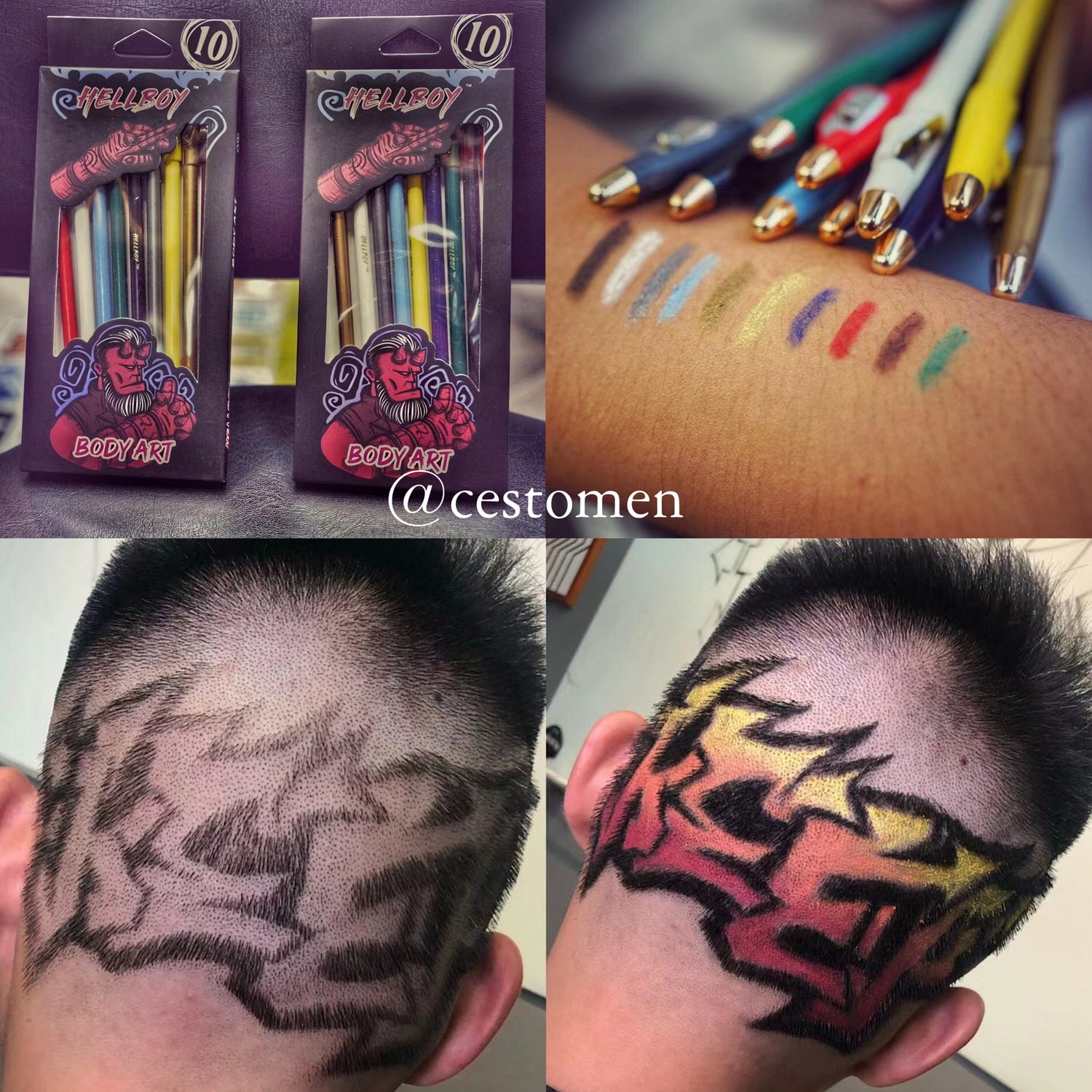
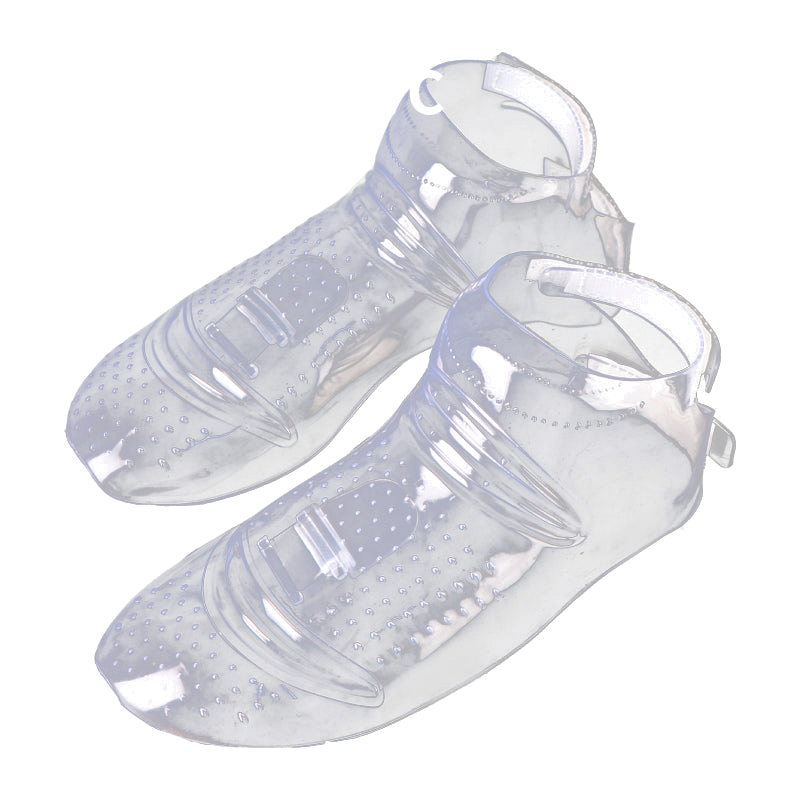
The collection includes 10 Colors Barber Pencil Lines Up (PG1287) and Fully Cover Updated Barber Shoes Cover (PG1288). Use the product dimensions, materials and included pieces to decide whether a tool fits the technique described above.
How to Evaluate the Finished Result
After completing the barber accessories checklist workflow, evaluate the result in natural fall and from more than one angle. The first checkpoint is whether tool holders and mats should stabilize equipment without blocking ventilation, cords or drawer access. Also confirm that cleaning brushes, protective supplies and dispensers should remain within reach but outside the cutting path. Repeat the final check described in the workflow: Review the setup after a full day and remove items that add clutter without improving service. If the result is inconsistent, change one variable at a time instead of adding more force, heat or product.
Buying and Station Setup Checklist
Before adding a tool to a professional station, confirm its intended service, material compatibility, grip, cleaning method and storage requirements. For this topic, give particular attention to the following point: Backup accessories belong in protected storage rather than on the active work surface. Check the product listing for dimensions and included pieces, then compare those details with the section sizes and techniques used most often. A useful salon tool should make the process more repeatable, remain easy to inspect and fit naturally into the clean-to-used workflow.
Common Mistakes to Avoid
- Buying an organizer before measuring tools, counter depth and charging cables.
- Storing disinfected tools beside used brushes, guards or towels.
- Keeping damaged accessories because they are inexpensive or rarely inspected.
Cleaning, Maintenance and Salon Hygiene
Include accessories in the station cleaning schedule instead of treating organizers, holders and mats as background equipment. Hair and product residue collect wherever tools are placed.
Barber Accessories Checklist FAQ
What accessories should every barber have?
Essentials vary, but organization, cleaning, protective and sectioning accessories should match the services offered.
How can a small station stay organized?
Limit the surface to daily tools, use vertical or drawer storage and maintain fixed zones for clean and used items.
How often should the checklist be reviewed?
Review it whenever services, tools or station layout change and during regular inventory checks.
Final Takeaways
The best accessory setup is deliberate and easy to clean. Keep only items that improve control, protection or workflow, then give every item a fixed place.