
Mobile barber kit organization must protect equipment while recreating a hygienic workflow in different locations. The kit should open in service order, keep liquids away from powered tools and provide a clear method for returning used items without contaminating clean stock.
Barber accessories improve station organization, service speed and tool protection when each item has a defined purpose. The best setup keeps frequently used supplies visible while preserving clean, used and powered-tool zones.
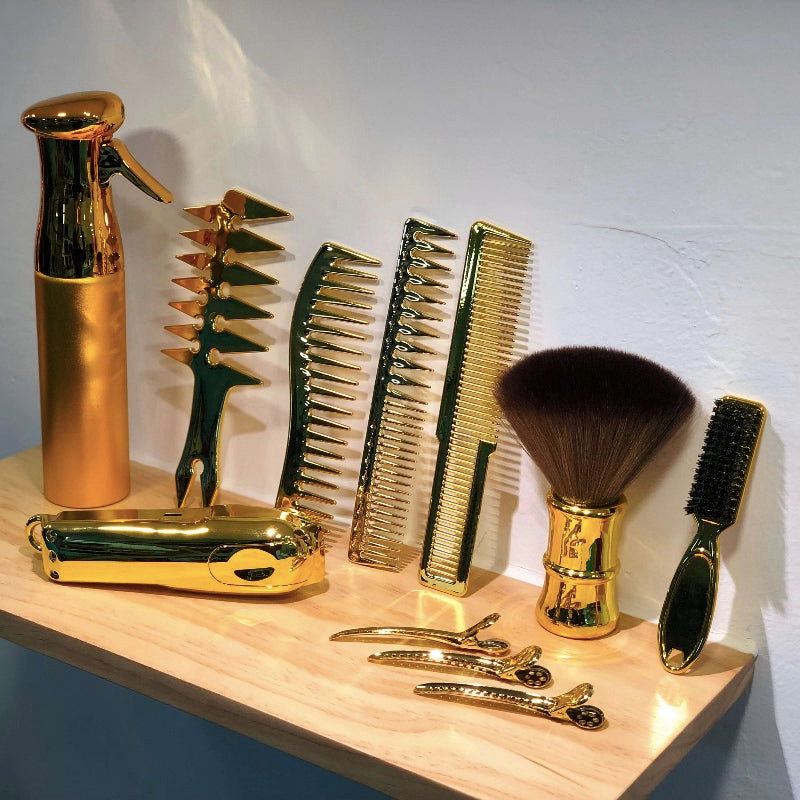
What to Consider Before Using Mobile Barber Kit Organization
- Cases and dividers should prevent clippers, blades and fragile accessories from striking one another during transport.
- Clean tools, used tools, liquids, linens and waste need physically separate bags or compartments.
- Power cords, chargers and extension equipment should match the location and remain protected from moisture.
Step-by-Step Mobile Barber Kit Organization Workflow
- Create a service checklist and pack only the tools, backups and consumables required for that schedule.
- Secure blades and powered tools in fitted compartments, then isolate liquids in sealed upright containers.
- Pack the station setup items last so they are the first supplies removed on arrival.
- After service, bag used tools and linens separately, record restocking needs and process everything before repacking clean.
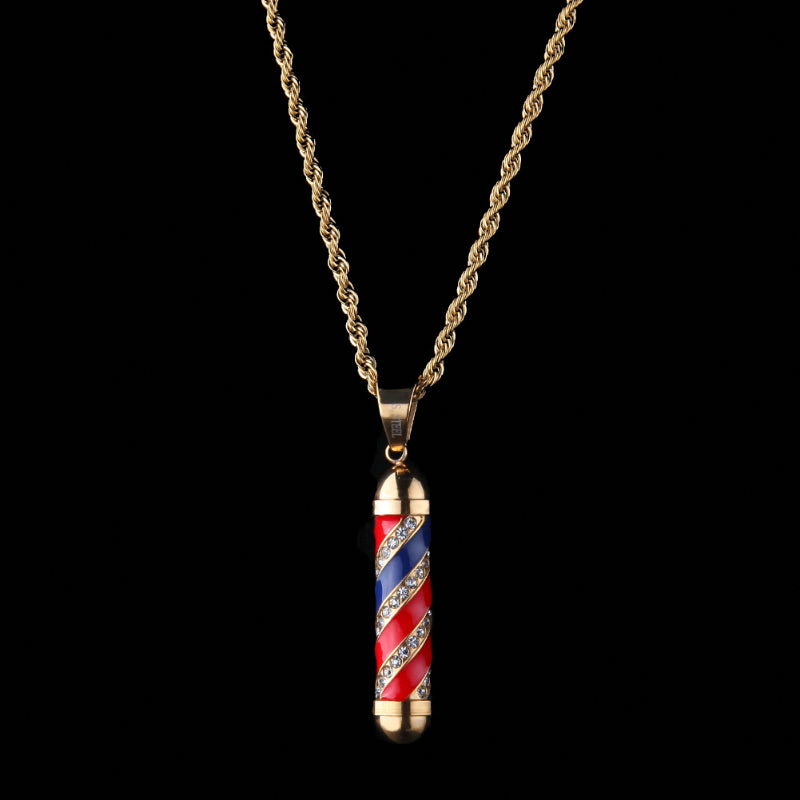
Tool Examples from the Barber Cape and Supplies Collection
The collection includes Gold Set for Barber Airbrush Fiber Sprayer (PG1292) and Gold/Silver Barber Pole Diamond Necklace (PG1293). Use the product dimensions, materials and included pieces to decide whether a tool fits the technique described above.
How to Evaluate the Finished Result
After completing the mobile barber kit organization workflow, evaluate the result in natural fall and from more than one angle. The first checkpoint is whether cases and dividers should prevent clippers, blades and fragile accessories from striking one another during transport. Also confirm that clean tools, used tools, liquids, linens and waste need physically separate bags or compartments. Repeat the final check described in the workflow: After service, bag used tools and linens separately, record restocking needs and process everything before repacking clean. If the result is inconsistent, change one variable at a time instead of adding more force, heat or product.
Buying and Station Setup Checklist
Before adding a tool to a professional station, confirm its intended service, material compatibility, grip, cleaning method and storage requirements. For this topic, give particular attention to the following point: Power cords, chargers and extension equipment should match the location and remain protected from moisture. Check the product listing for dimensions and included pieces, then compare those details with the section sizes and techniques used most often. A useful salon tool should make the process more repeatable, remain easy to inspect and fit naturally into the clean-to-used workflow.
Common Mistakes to Avoid
- Placing disinfected and used tools back into the same open compartment.
- Carrying unsealed spray bottles or oils beside clippers and charging equipment.
- Packing too many backups and making essential tools difficult to reach.
Cleaning, Maintenance and Salon Hygiene
Review the kit regularly and remove damaged or rarely used items. A smaller, clearly organized station is easier to clean and faster to operate than an overloaded surface.
Mobile Barber Kit Organization FAQ
What should be in a mobile barber kit?
Include core cutting tools, guards, combs, brushes, protective supplies, cleaning materials, power accessories and documented backups.
How should used tools be transported?
Place them in a secure, clearly identified container that remains separate from clean equipment until processing.
How can liquids be packed safely?
Use compatible leak-resistant containers, seal them upright and keep them in a separate washable compartment.
Final Takeaways
A mobile kit should unpack and repack in a predictable order. Protect tools, separate hygiene zones and review the inventory after every trip so the next service starts prepared.