
Gentle salon detangling begins with trust and predictability. Kids and clients with sensitive scalps often respond better when the stylist explains each step, supports the hair near the root and pauses before discomfort becomes a surprise.
A detangling brush should separate knots with controlled flex rather than dragging through resistance. Technique matters as much as brush design: small sections, supported lengths and gradual work from ends toward roots reduce unnecessary stress on the hair.
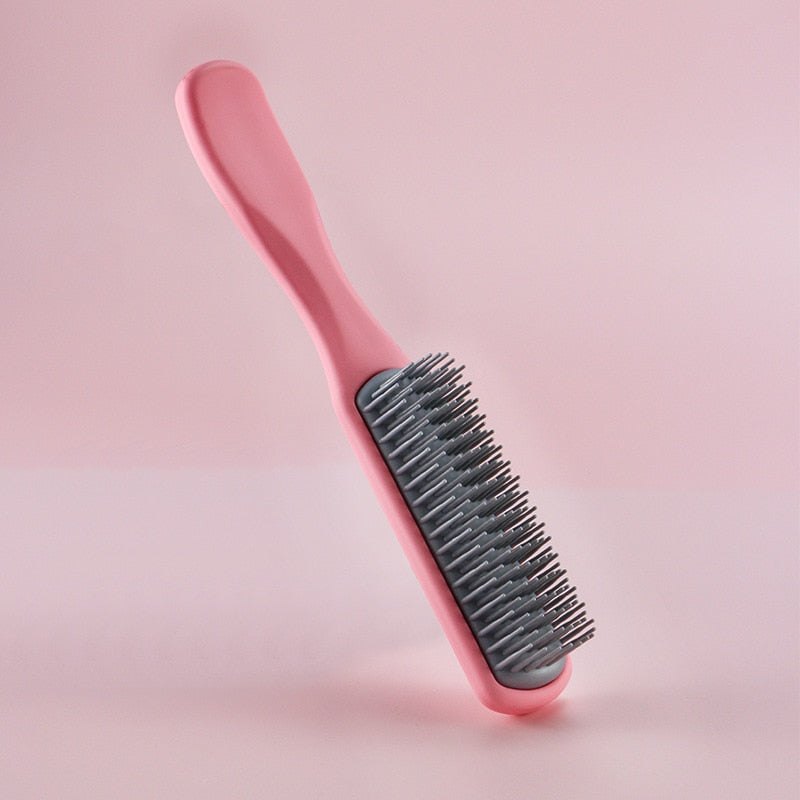
What to Consider Before Using Gentle Salon Detangling
- Ask about tender areas, recent scalp irritation and previous detangling experiences before starting.
- Use small sections so each brush pass addresses a limited amount of resistance.
- A flexible brush with smooth tips can help distribute pressure, but hand support remains essential.
Step-by-Step Gentle Salon Detangling Workflow
- Create a comfortable position and agree on a simple signal the client can use when a pause is needed.
- Apply suitable slip, hold the section above the working area and begin with short strokes at the ends.
- Separate stubborn knots with fingers and reduce section size rather than increasing pulling force.
- Finish each cleared section with one smooth pass and secure it so it does not retangle.
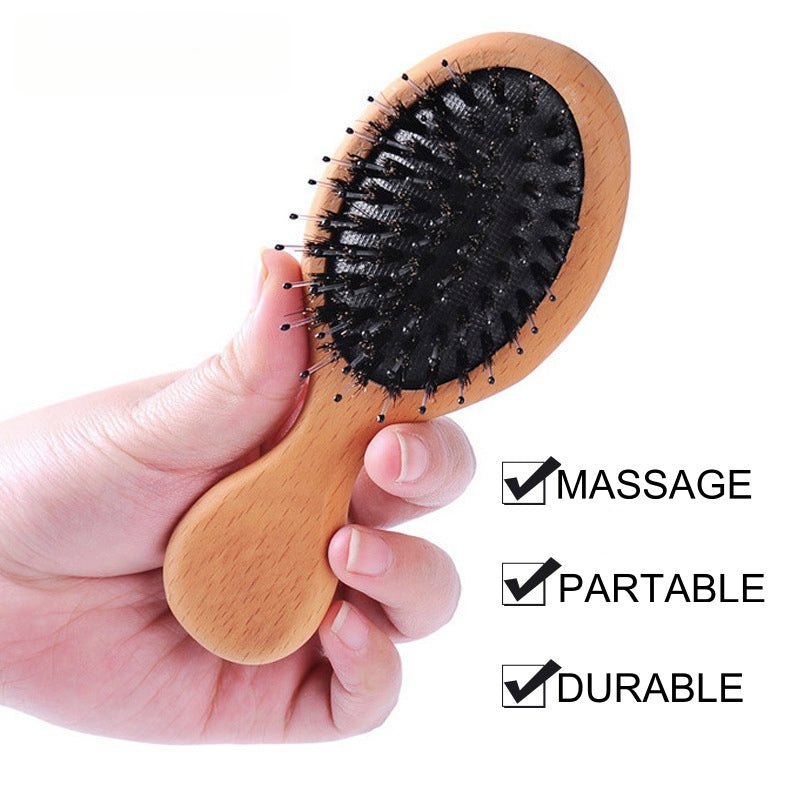
Tool Examples from the Hair Salon Tools Collection
The collection includes ™ 9 Row Massage Scalp Brush (PG1060) and Mini Boar Bristle Detangle Brush (PG1062). Use the product dimensions, materials and included pieces to decide whether a tool fits the technique described above.
How to Evaluate the Finished Result
After completing the gentle salon detangling workflow, evaluate the result in natural fall and from more than one angle. The first checkpoint is whether ask about tender areas, recent scalp irritation and previous detangling experiences before starting. Also confirm that use small sections so each brush pass addresses a limited amount of resistance. Repeat the final check described in the workflow: Finish each cleared section with one smooth pass and secure it so it does not retangle. If the result is inconsistent, change one variable at a time instead of adding more force, heat or product.
Buying and Station Setup Checklist
Before adding a tool to a professional station, confirm its intended service, material compatibility, grip, cleaning method and storage requirements. For this topic, give particular attention to the following point: A flexible brush with smooth tips can help distribute pressure, but hand support remains essential. Check the product listing for dimensions and included pieces, then compare those details with the section sizes and techniques used most often. A useful salon tool should make the process more repeatable, remain easy to inspect and fit naturally into the clean-to-used workflow.
Common Mistakes to Avoid
- Rushing because the client is restless, which often creates more pulling and longer overall service time.
- Brushing directly against the scalp while the lengths are still tangled.
- Using distracting conversation without also explaining what the hands and brush are about to do.
Cleaning, Maintenance and Salon Hygiene
Use separate, disinfected tools between clients according to local salon hygiene rules. Removing visible hair is only the first step of cleaning.
Gentle Salon Detangling FAQ
How can a stylist reduce scalp pulling?
Support the hair above the brush, use short strokes and work from ends upward in small sections.
What if a child is afraid of detangling?
Use calm explanations, offer controlled choices and pause when requested. A predictable routine builds trust over time.
Should severe mats be brushed out?
Severe matting may require specialized assessment and a careful plan. Forcing a brush through can cause pain and breakage.
Final Takeaways
Comfort is part of professional technique. Gentle detangling protects the hair while helping clients feel informed and in control throughout the service.