
A tint bowl and hair dye brush seem simple, but their shape affects mixing and application control. A stable bowl supports complete blending, while the brush edge determines how precisely color can be placed at roots, panels and fine sections.
Consistent color application depends on organized tools, accurate mixing and clean sectioning. Bowls, tint brushes, clips, measuring tools and protective accessories each solve a specific part of the workflow and help the colorist apply product with control.
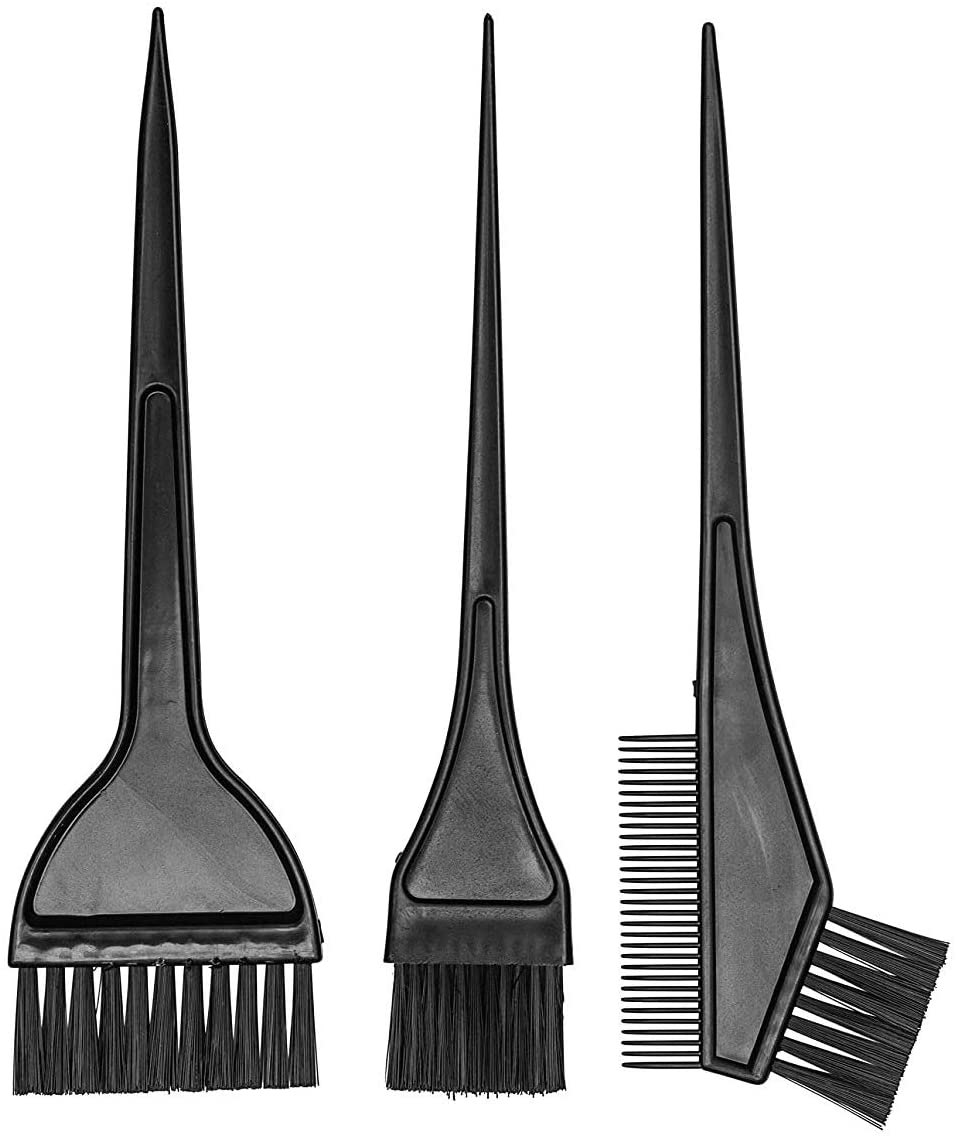
What to Consider Before Using Tint Bowl And Hair Dye Brush
- Choose a non-reactive bowl with enough capacity to mix thoroughly without product spilling over the rim.
- Use a narrow brush for detail and a wider brush for rapid saturation of larger sections.
- Bristles should remain flexible and aligned so the edge creates a clean application line.
Step-by-Step Tint Bowl And Hair Dye Brush Workflow
- Measure each component according to the manufacturer's instructions and combine it in the correct order.
- Mix around the bowl walls and base until texture and color are uniform with no unmixed pockets.
- Load only the amount of product the section requires, then use the brush edge for placement and the bristle face for saturation.
- Wipe the handle and bowl exterior when needed so gloves and sectioning tools remain controlled.
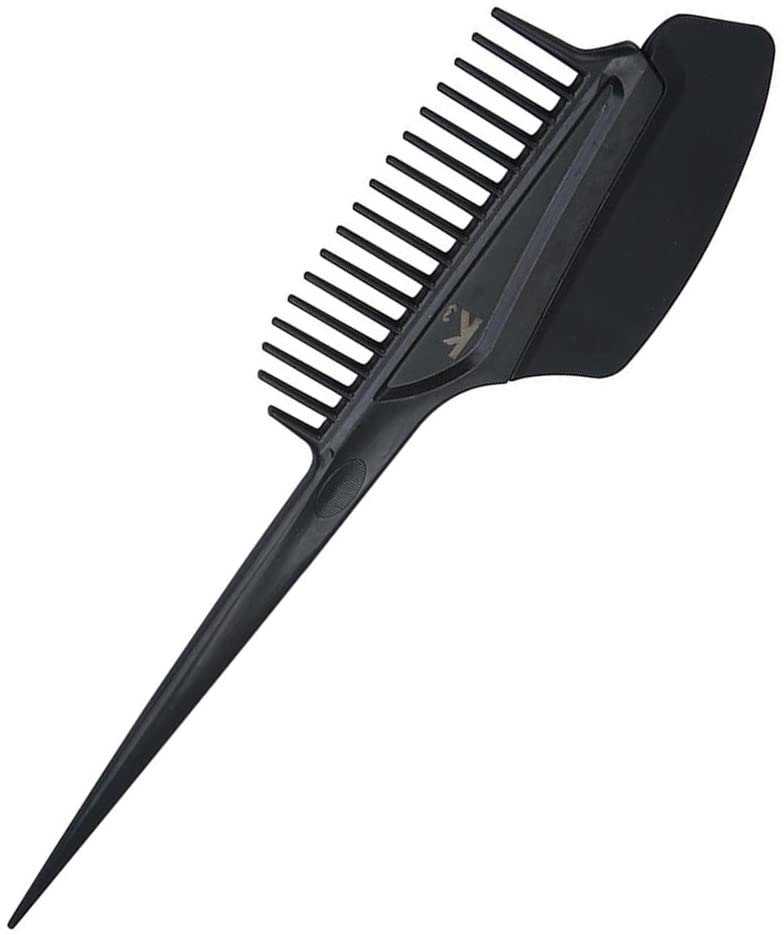
Tool Examples from the Hair Salon Tools Collection
The collection includes 4 Pack Professional Hair Salon Coloring Dyeing Kit (PG1061) and 6pcs Professional Hair Dye Color Tool Kit (PG1063). Use the product dimensions, materials and included pieces to decide whether a tool fits the technique described above.
How to Evaluate the Finished Result
After completing the tint bowl and hair dye brush workflow, evaluate the result in natural fall and from more than one angle. The first checkpoint is whether choose a non-reactive bowl with enough capacity to mix thoroughly without product spilling over the rim. Also confirm that use a narrow brush for detail and a wider brush for rapid saturation of larger sections. Repeat the final check described in the workflow: Wipe the handle and bowl exterior when needed so gloves and sectioning tools remain controlled. If the result is inconsistent, change one variable at a time instead of adding more force, heat or product.
Buying and Station Setup Checklist
Before adding a tool to a professional station, confirm its intended service, material compatibility, grip, cleaning method and storage requirements. For this topic, give particular attention to the following point: Bristles should remain flexible and aligned so the edge creates a clean application line. Check the product listing for dimensions and included pieces, then compare those details with the section sizes and techniques used most often. A useful salon tool should make the process more repeatable, remain easy to inspect and fit naturally into the clean-to-used workflow.
Common Mistakes to Avoid
- Mixing a small formula in an oversized bowl where product spreads thinly and becomes difficult to collect.
- Overloading the brush and depositing excess color beyond the intended section.
- Using hardened or splayed bristles that produce uneven root lines.
Cleaning, Maintenance and Salon Hygiene
Keep tools used for lightener separate from tools used for direct dyes when staining or residue could affect future color work. Labeling bowls and brushes makes this easy.
Tint Bowl And Hair Dye Brush FAQ
Why use a non-metallic tint bowl?
Many color and lightener instructions specify non-metallic tools to avoid unwanted reactions. Always follow the product guidance.
What brush width is best for roots?
A medium or narrow, clean-edged brush offers control. The ideal width depends on section size and the detail required.
How should color be mixed in a bowl?
Use the stated ratio and blend the base and sides until the formula is completely uniform before application.
Final Takeaways
Consistent mixing and controlled brush loading improve both speed and placement. Keep the bowl stable, the formula uniform and the brush edge clean throughout the service.